How to Choose a Phone Charger as a Useful Gift
Choose a phone charger by device requirements, supported charging profiles, shared port output, cable compatibility and safe placement.
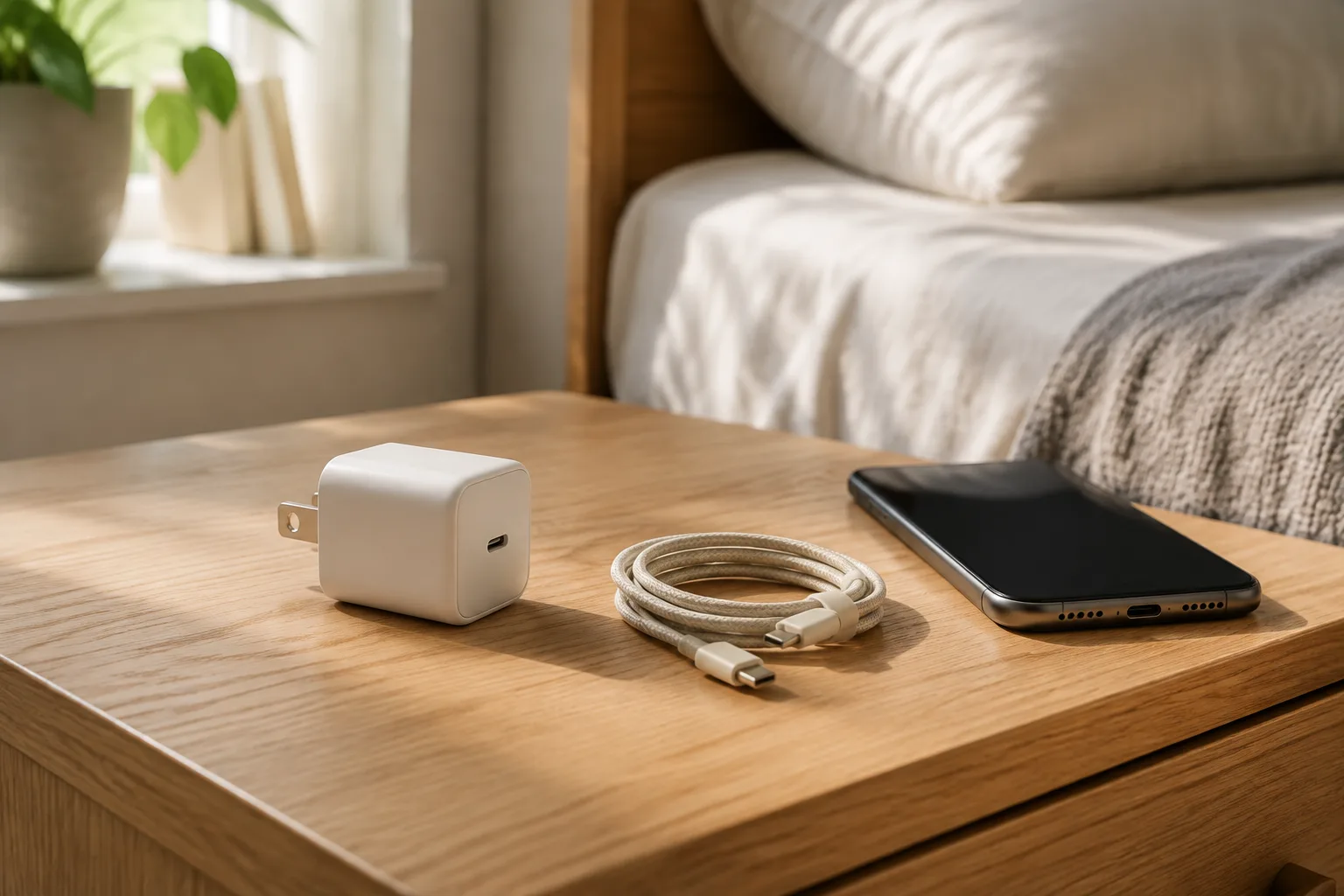
To choose a phone charger gift, identify the exact phone and its documented charging requirements, then match a compatible wall adapter and cable. If the charger will serve several devices, check the output available in that simultaneous arrangement. Finally, confirm the plug, physical space and included accessories. A large wattage number does not establish the speed a particular phone will achieve.
Find out why another charger would help
A charger can be a useful gift when it has a clear place in the recipient’s routine. They may move one adapter between home and work, share a single outlet with several devices, or want a complete charging kit that stays in a travel bag. Ask which of those jobs, if any, they would welcome solving.
Do not assume a new adapter is needed because the existing one looks small or old-fashioned. The inconvenience might be a damaged cable, an inaccessible outlet or a missing second location rather than inadequate charging capability. Start with what the person wants to change, and avoid promising that a replacement will fix a problem you have not identified.
Write a brief such as “a phone-only charger for the work bag” or “one documented setup for a phone and headphones on the bedside shelf.” Those briefs lead to different comparisons. For a need that mainly occurs away from outlets, use our power bank guide instead of buying a wall adapter that cannot serve that situation.
Use the phone maker’s requirements as the starting point
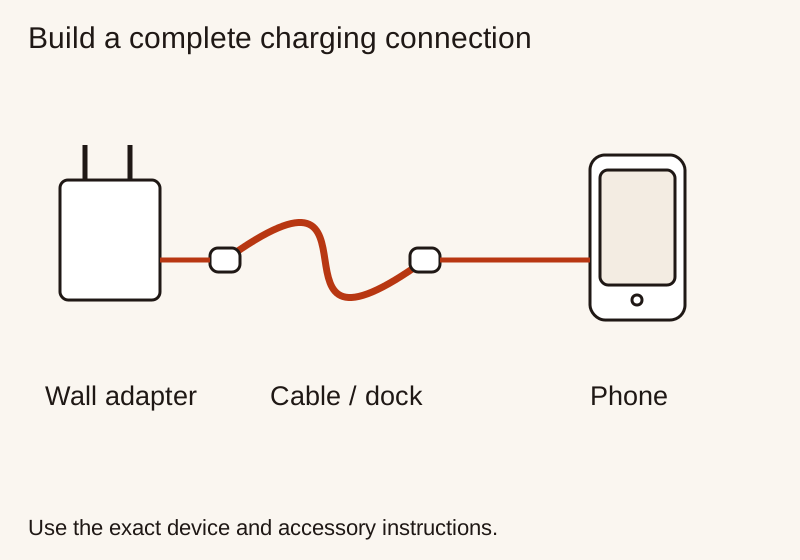
Record the exact model, not just the brand or connector. Look up the maker’s charging guidance for that device and the intended charging method. Keep any required protocol, cable and adapter information together. A matching port shape is only one part of establishing a suitable connection.
Apple’s iPhone fast-charge guidance is a useful example. It identifies cable differences by model and describes compatible USB Power Delivery adapters. Its charge-time claims also have stated test conditions. Apply those details only to the models and arrangements described; do not turn them into a promise for every phone or every third-party charger.
For another phone manufacturer, use its own documentation for the selected device. If a retailer’s claim is broader than the maker’s statement, investigate the difference before buying. An adapter that can provide power may not establish the particular fast-charging mode the recipient expects. Leave that expectation unconfirmed until the evidence supports it.
Separate available output from a speed promise
A charger’s advertised capability is not a stopwatch result for the recipient’s phone. The whole setup and the device’s charging behavior matter. Compare documented compatibility first, then consider any manufacturer charging estimates with their conditions still attached.
Avoid assuming that doubling a wattage label halves the time needed to charge. Charging time depends on the phone, starting battery level, temperature and supported charging profile. If the reason for the gift is a shorter charging session, seek a documented claim for the actual phone and connection, and retain the stated starting level and test conditions when comparing it with another option.
Read the multi-port table before counting ports
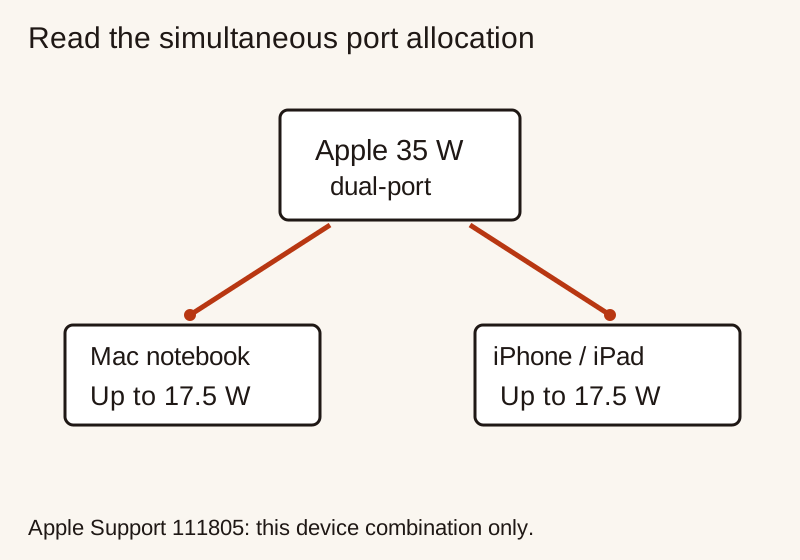
If two or more devices will charge at once, find the manufacturer’s simultaneous-output information. A total rating and a single-port maximum answer different questions. Record which ports the recipient will use and what the documentation says about that combination.
Apple’s 35 W dual-port adapter instructions make the distinction concrete. For a Mac laptop paired with an iPhone or iPad, Apple describes up to 17.5 W for each device. For certain combinations involving an Apple Watch or AirPods, the allocation differs. These are examples for that adapter, not a general rule that every two-port charger divides power equally.
For your shortlist, build a tiny usage list: phone alone; phone plus headphones; any other genuinely intended combination. Ask whether each combination supports the desired job. Do not fill an undocumented row by dividing the headline wattage by the number of ports. The maker’s allocation behavior is the evidence you need.
Consider convenience as well as electrical capability. A shared adapter can reduce the number of objects at an outlet, but the recipient may prefer independent chargers that can move to separate rooms. A second port has little value if the devices are rarely in the same place at the same time.
Make the cable an explicit part of the kit
Check both cable ends, its documented power capability and its physical length. Verify whether a cable is included in the selected package. A photograph of a connected phone is not an included-items list, and a spare cable the recipient owns may serve a different connection.
The USB-IF cable guidance explains that cable capabilities vary and that certification of a cable does not add capabilities to connected products. This is why the cable should be checked as its own component rather than treated as an interchangeable piece of string.
Use our USB-C cable selection guide when choosing a separate lead. For bedside use, measure the usable route to the phone rather than only the distance to the outlet. For a compact bag kit, consider the packed length and connector housings. Follow the product instructions and avoid routing that strains connections.
Check the actual outlet and physical footprint
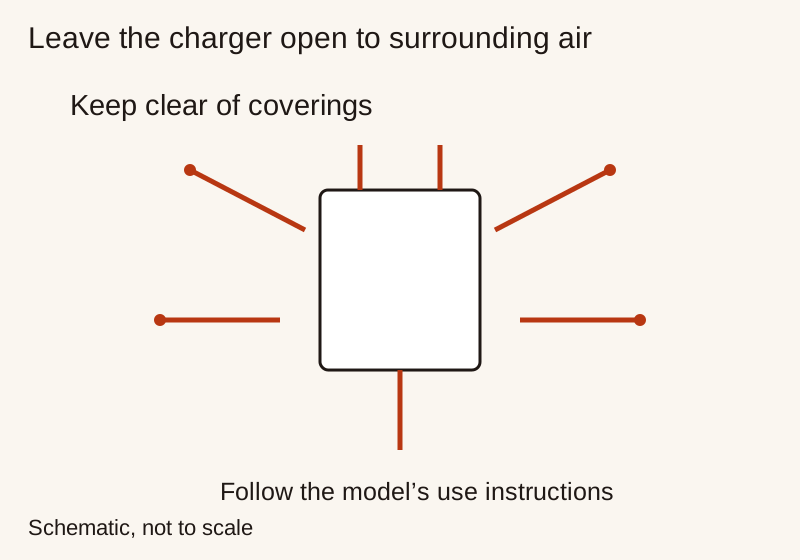
Identify the plug format and the place the adapter will be used. A charger that suits a desk outlet may be awkward behind furniture, beside another adapter or inside a tightly packed travel organizer. Compare the complete shape with cable connectors attached, not only the body dimensions.
Read the manufacturer’s use and ventilation instructions. Do not assume that a small adapter can be enclosed, covered or placed wherever it fits. Have an appropriately qualified person assess any concern about the electrical installation.
Treat design labels such as GaN as information about the product, not substitutes for compatibility and safety documentation. The buying questions remain the same: does the exact model support the wanted devices, does its plug fit the intended region, and is its use documented? A compact shape does not answer those questions by itself.
Verify the seller, model and documented safety requirements
Apple’s USB power adapter overview says that third-party adapters used with its devices should comply with applicable country regulations and relevant safety standards. That is not a claim that every item described as compatible has been checked. Look for an identifiable manufacturer, exact model and appropriate documentation for the place where the gift will be used.
Use the device maker’s and adapter maker’s instructions rather than relying only on marketplace badges or customer ratings. Keep the seller and order information with the gift receipt. If a listing cannot clearly identify what product is being sold, choose a better-documented offer instead of asking the recipient to resolve the uncertainty later.
Check relevant recall information for the exact model when making the purchase, and follow any applicable manufacturer notice. Do not give away a recalled or visibly damaged adapter as a workaround. Use the model-specific safety instructions and applicable recall notices.
Distinguish a wall adapter from a wireless charging station
If the recipient wants to place the phone on a pad or stand, the gift may involve both a wall power source and a separate wireless accessory. Verify the requirements of that complete arrangement. Do not assume a wall adapter’s output number is the wireless power delivered to the phone.
Check phone and case compatibility with the intended charging accessory, plus the required power source and included parts. A stand can hold a phone without charging it, and a wireless product may still need a separate adapter. Our phone stand guide helps distinguish physical support from a complete charging setup.
Ask whether wireless placement is something the recipient wants. A cable they already like may be simpler for the job. Convenience should come from their routine rather than from adding more hardware because a product image looks tidy.
Compare two complete gift briefs
Imagine a person who only needs a second phone charger for a work bag. Their brief prioritizes documented phone compatibility, an appropriate cable and a convenient packed shape. A multi-port desktop unit may add size without solving another wanted problem. Compare candidates against that narrow brief rather than rewarding unused ports.
Now imagine a household charging a phone and a small accessory together every evening. Shared-output documentation becomes important, as do cable routing and the location of the devices. A single adapter could be convenient, but only if the required combination is supported and the household wants the shared arrangement.
For either brief, compare the total required kit cost. Include missing cables and any genuinely necessary accessory, while keeping optional extras separate. Our gadget comparison framework helps prevent a low headline price from hiding an incomplete gift.
Finish with a clear purpose and a usable receipt
Keep the exact model information, instructions and gift-return details together. Explain which device or combination the adapter was chosen for, without promising a charging time you have not verified. If the recipient’s needs differ, an exchange should be straightforward rather than an argument about specifications.
If the adapter is intended for an international trip, read our travel-adapter selection guide before assuming that changing the plug completes the checks. If no clear second charging location or shared-device need exists, revisit the general gift guide. An additional charger is most useful when it has a specific job waiting for it.
Related Gift Buying Guides
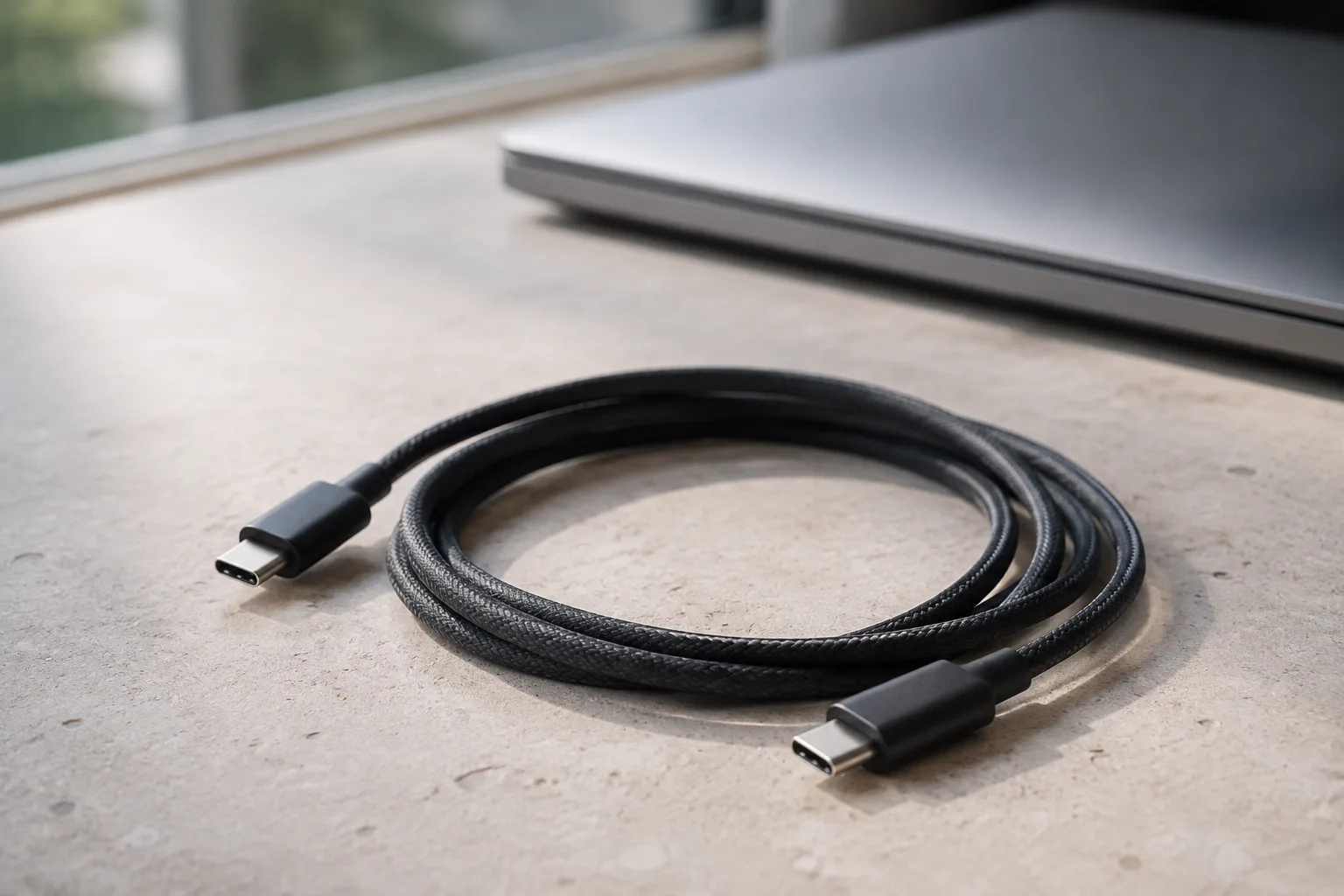
How to Choose a USB-C Cable as a Useful Gift
Choose a USB-C cable by both endpoint devices, power and data capabilities, display requirements, routed length and connector clearance.
Read buying guide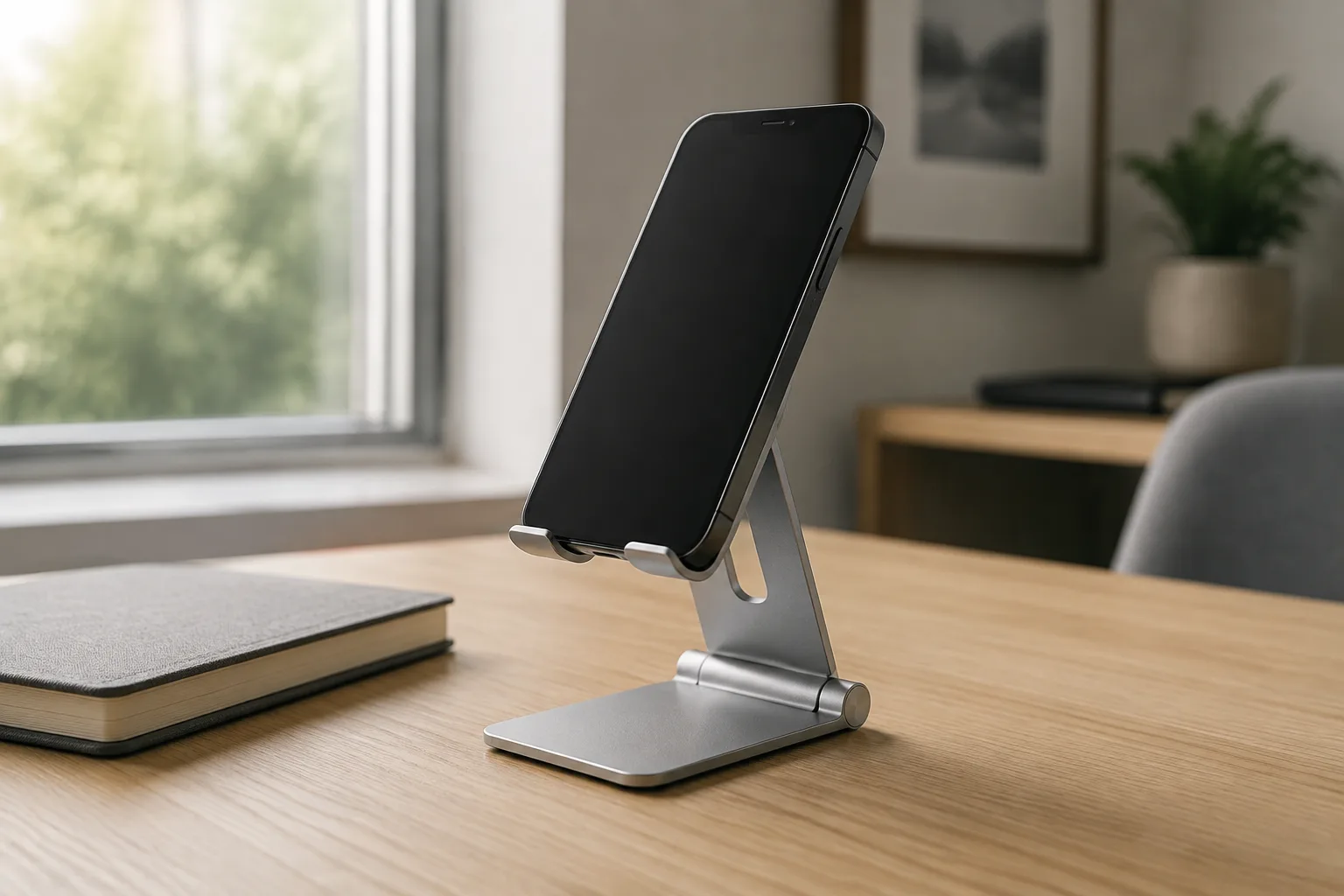
How to Choose a Phone Stand as a Useful Gift
Choose a desk phone stand by phone and case fit, viewing position, stability, cable access and storage space.
Read buying guide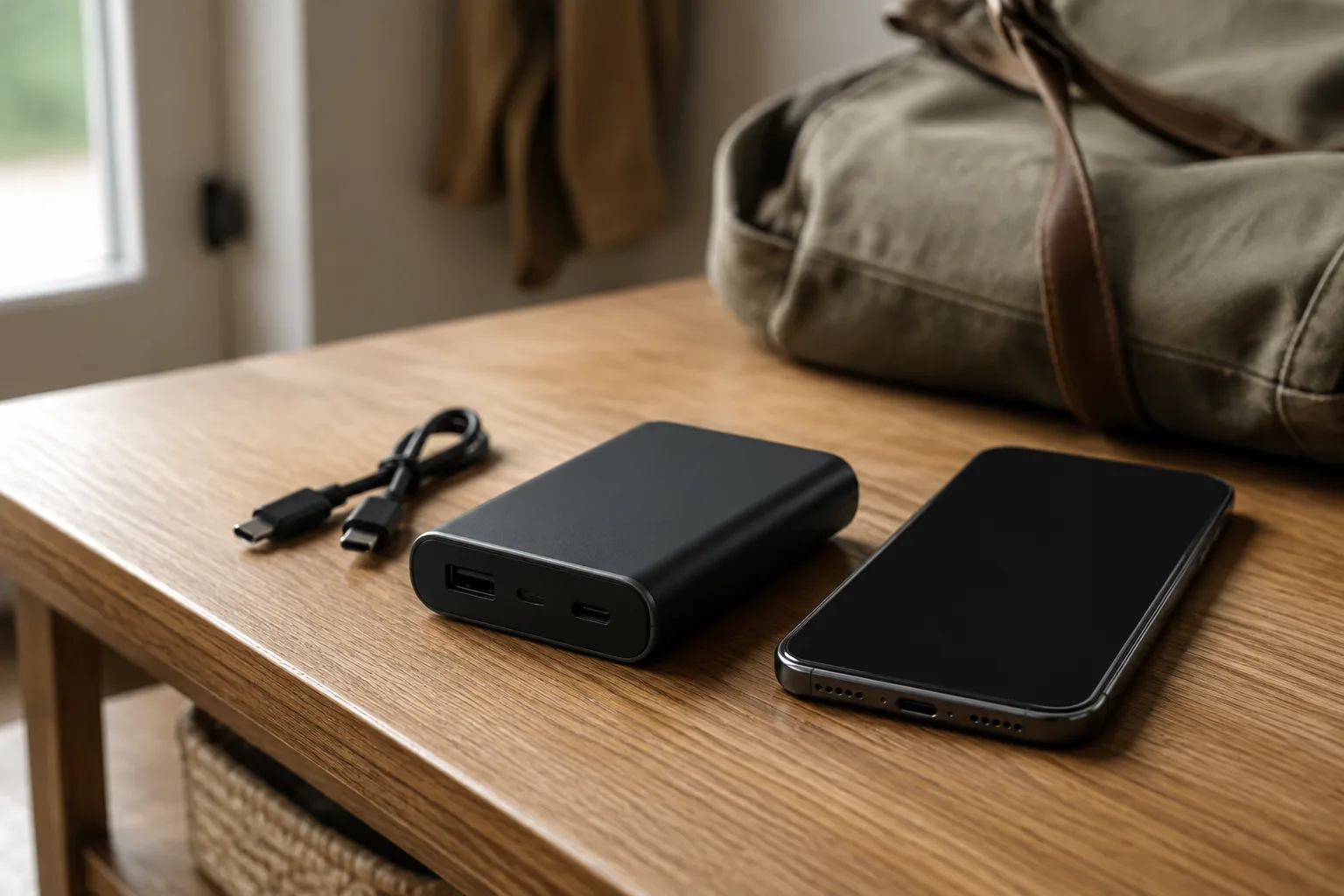
How to Choose a Power Bank as a Gift
Choose a power bank for the recipient’s devices, daily charging needs, carrying space and travel requirements.
Read buying guide