Useful Tech Gifts That Fit Into Real Life
Find a useful technology gift by starting with the recipient’s everyday routine, existing devices, available space and preferred controls.
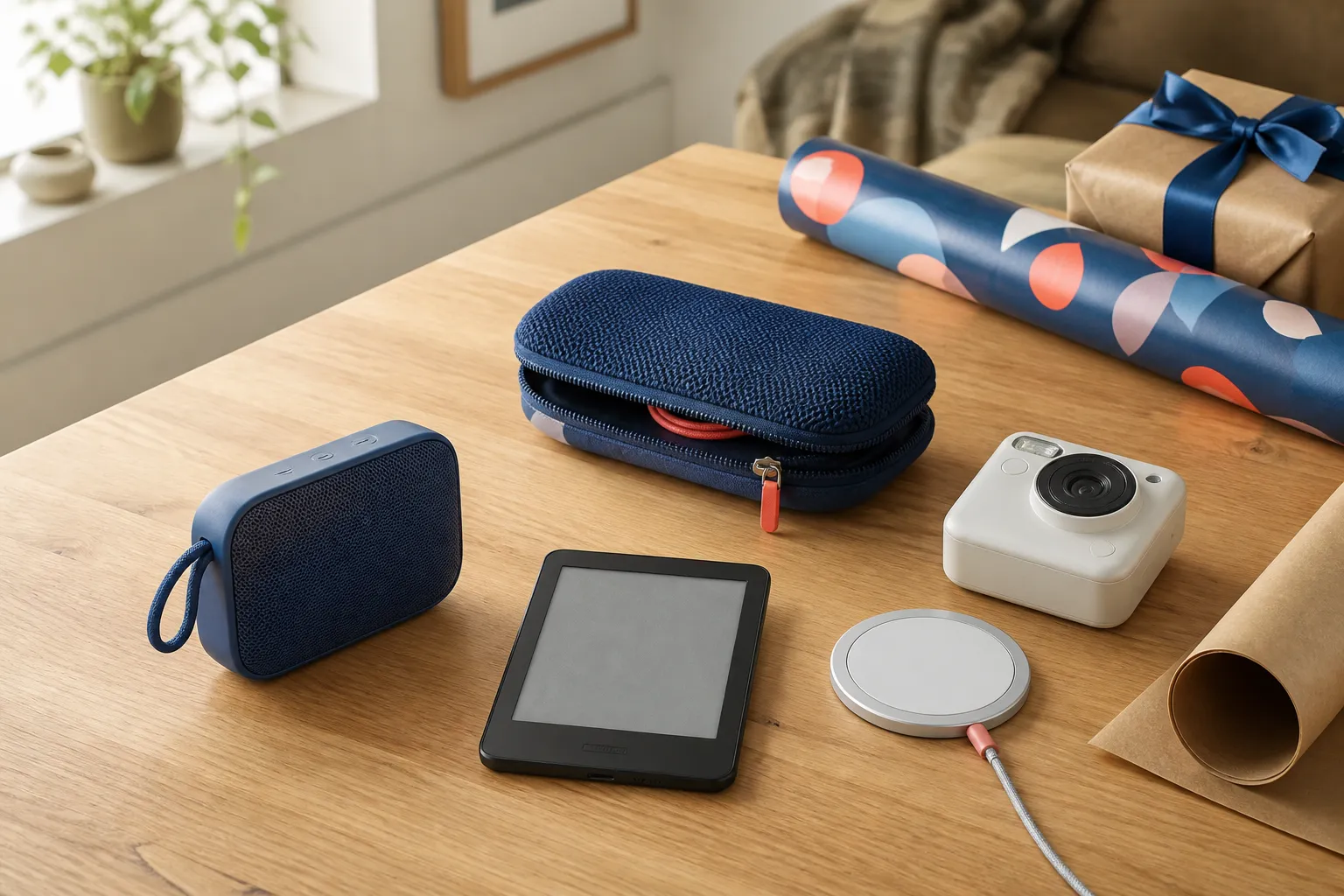
To choose a useful tech gift, start with a routine the recipient already has, identify something they would welcome changing, and check the constraints before selecting a product. Give the item one clear job and a realistic place to live. A gadget is not more thoughtful simply because it is new, expensive or packed with functions.
Start with something already true about the person
Think of a moment you have actually seen or heard the recipient describe. They pack a small bag for a long commute. They set up a laptop at the kitchen table each morning. They listen to spoken audio while cooking. An observation like that gives you a better starting point than a demographic label or a retailer’s list of popular gifts.
Separate what the person enjoys from what you think they should enjoy. A new hobby device can be a lovely gift when someone has expressed interest in that hobby. Without that interest, it may feel like an assignment. Supporting an established activity is different from asking the recipient to become a different kind of person.
Also distinguish an inconvenience from a preference. You might see cables on a desk as clutter, while the owner values having each connection visible. You might assume a larger screen is desirable when portability matters more to them. Ask a direct, ordinary question if you are unsure: “Is there anything about your work setup you wish were easier?” Keeping the model a surprise does not require keeping the entire purpose secret.
Look for one of three gift opportunities
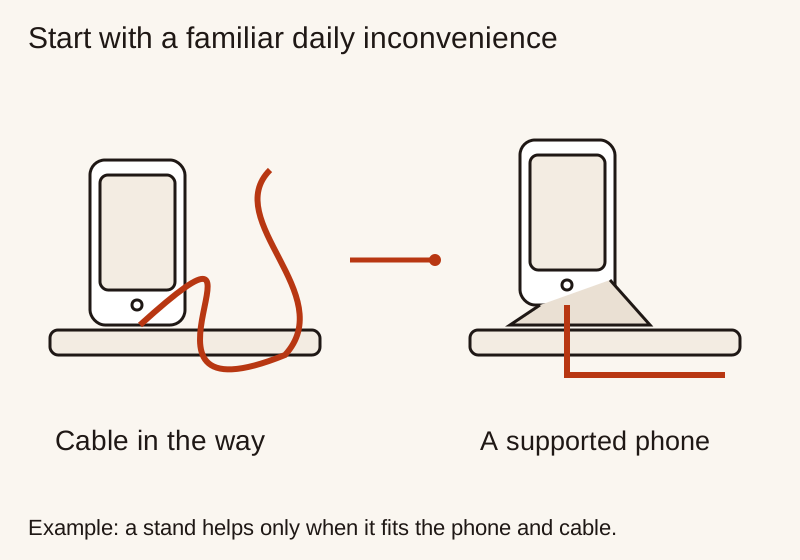
The first opportunity is a repeated interruption. Something needed is missing, difficult to reach or inconvenient to carry. A gift can be useful if it removes a step the recipient already dislikes. The key is evidence of that annoyance, not the buyer’s conviction that every routine could be optimized.
The second is support for an established interest. A person who already listens to music in different rooms might welcome a portable listening option. Someone who regularly travels may appreciate an accessory that fits their current packing system. In both cases, the gift joins an existing activity rather than depending on a new habit to become valuable.
The third is an enjoyable refinement. Not every gift must solve a problem. A person may want an object with a finish, feel or convenience they would not usually choose for themselves. That can be thoughtful when it reflects their taste. Avoid making an invented productivity benefit the justification for something they would simply enjoy.
Write a brief that rules things out
A good gift brief is short enough to remember and specific enough to reject unsuitable options. Include the person’s activity, the place of use and one important limit. “A charging reserve for a phone during long days, small enough for the usual shoulder bag” is more useful than “a powerful gadget.”
Add what the gift should not require. That might be a subscription, permanent installation, a new account or another item to carry. These are not universal objections; they are constraints for this recipient. Someone who enjoys configuring devices may welcome a setup project that another person would find burdensome.
Keep a separate line for unknowns. If you do not know the phone model or available desk space, do not fill the gap with a guess. Resolve the missing detail or choose a gift direction that does not depend on it. The goal is not to make a surprise purchase at any cost. It is to give something that can actually be used.
Check the edges where technology gifts can fail
Look beyond the main object to its connections. Which device must it work with? Where will it receive power? Does it require a particular app, network or accessory? Those questions prevent an attractive item from arriving as an incomplete system.
Apple’s iPhone fast-charge documentation shows why exact models matter even within a familiar product family: it distinguishes USB-C and USB-C-to-Lightning connections and specifies adapter requirements. You do not need to memorize those details for every gift. You need the habit of checking the recipient’s model against the maker’s documentation instead of trusting a broad compatibility phrase.
Connected-home gifts introduce another boundary: the household’s existing setup. The Connectivity Standards Alliance’s Matter FAQ explains that Matter works with existing platforms rather than replacing them, and that device makers may offer additional features through their own apps. Treat a logo as a reason to investigate the intended function, not as an answer to every setup question.
Space is another connection of sorts. A lamp needs a permitted mounting point or surface; a speaker needs a shelf or bag; a stand needs room when opened. Measure those constraints using the actual setting where possible, with the recipient’s permission. Packaging photographs rarely show everything that already occupies the space.
Follow three ordinary scenarios to the right guide
A commuter whose phone runs low
Suppose a friend has mentioned running low during long trips home. First ask whether carrying and recharging a separate battery would be welcome. If so, the useful brief includes their phone, everyday bag and expected time away from outlets. It does not begin with the largest capacity you can afford.
Use our power bank gift guide to check capacity claims, cables and charging requirements. If the problem only happens because their existing cable is damaged or inconvenient, the better gift might be a compatible replacement rather than an additional battery. Let the observed cause determine the category.
A remote worker who packs the desk away
Imagine someone using a shared table that must be cleared each evening. An accessory that makes a permanent workstation look impressive might create more packing work here. Ask where equipment is stored, which items move each day and what feels awkward in that sequence.
Our desk setup gift guide helps compare working size with stored size. A wanted folding accessory can make sense, but only if it supports the existing laptop and input arrangement. Do not assume that a stand is a complete gift if the intended use also requires a keyboard and mouse the recipient does not own.
A music listener with a small home
Suppose the recipient likes listening while cooking but shares the space. Ask whether a speaker is welcome, where it would sit and which controls they prefer. Maximum output may be much less important to this brief than an accessible pause button and an uncomplicated connection.
The portable speaker gift guide covers carrying shape, playback modes and qualified battery claims. If the person already has a home system, check whether the proposed gift is meant to join it or serve a separate travel role. A similar brand name is not enough to establish that relationship.
Decide what should remain a surprise
You can preserve the delight of a gift while asking about constraints. The category, a preferred size or a necessary connection can be discussed without revealing the exact item. If the recipient has named a particular model, verify the variant rather than substituting a near match based on appearance.
Personal input devices, wearables and visible household objects often deserve more recipient involvement. The relevant question is not whether you can find a popular option. It is whether you have enough evidence about this person’s fit and preferences. A shared selection can be more considerate than a confident surprise followed by an awkward exchange.
For devices involving cameras, microphones or access to shared spaces, discuss the idea before buying. Our smart-home compatibility checklist includes ownership and permission questions. Do not create accounts, accept subscriptions or install equipment under the recipient’s name as part of preparing the gift.
Set a budget for the finished job
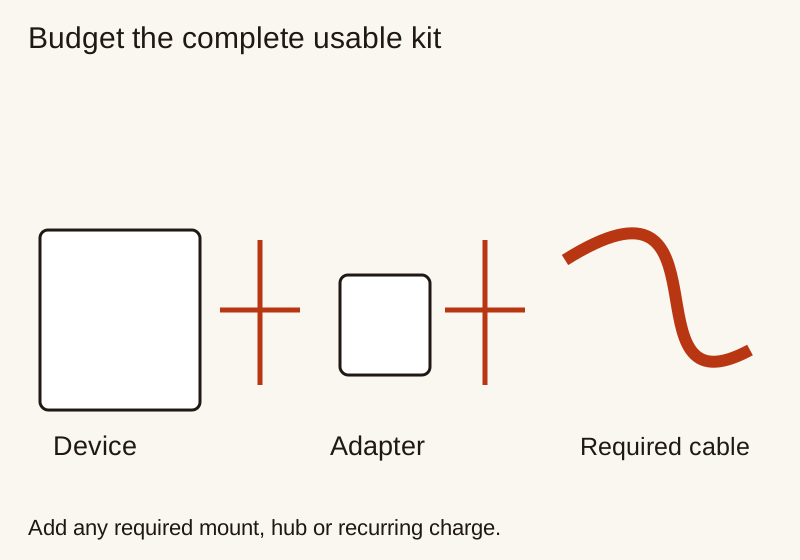
The main item’s price is only useful once you know what is included. Add any required cable, adapter, mounting part or other essential piece. Keep optional extras separate. A bundle is not automatically better value if its additional items do not serve the intended job.
Record ongoing costs distinctly from the purchase. If a wanted function requires a subscription or consumable, establish whether the recipient wants to manage it. A free trial can postpone a bill without removing it. Avoid giving a product whose purpose depends on a commitment the person has not chosen.
When two finalists meet the brief, use our gadget comparison framework to compare everyday effort and complete cost. Do not let a discount rescue an option that fails an essential requirement. Nor should a higher price be treated as evidence that a gift is more generous or personal.
Leave room for taste and for saying no
A gadget is also an object in someone’s environment. Consider its color, material, size and how visible it will be. Use the recipient’s expressed taste as evidence rather than assuming that a neutral finish is always welcome. If appearance is central to the choice and you do not know their preference, invite them into that part of the decision.
An exchange option is especially useful when feel, sound or visual fit cannot be checked beforehand. Read the seller’s actual gift-return conditions, including the relevant dates and any opening restrictions. Keep the receipt and packaging information available without asking the recipient to justify why a product does not suit them.
Sometimes the brief reveals that no technology gift is needed. That is a valid result. An existing setup may work well, the person may want less equipment, or the necessary details may be unavailable. Do not turn a gift occasion into a reason to manufacture a problem.
Give it with a clear explanation and a light touch
Explain the observation behind the gift in a sentence: “You mentioned wanting music in the kitchen,” or “I thought this might help with the cable you keep retrieving.” Avoid describing how the recipient should reorganize their life around it. Offer help with setup while leaving settings and permissions to the owner.
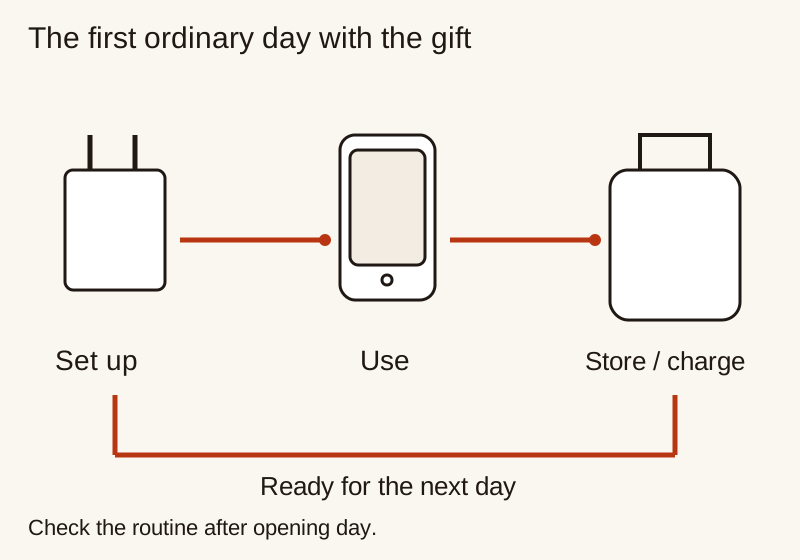
Include whatever makes the first use complete: the correct documented accessories, the instructions and a way to exchange the item. Do not hide limitations to make the unboxing seem more impressive. A small, well-understood gift can be easier to enjoy than a larger one with unexpected obligations.
Before ordering, describe where the gift will go tomorrow, what it will do there and why the person would welcome it. Specific answers make the choice easier to explain.
Research and update note
Related Gift Buying Guides
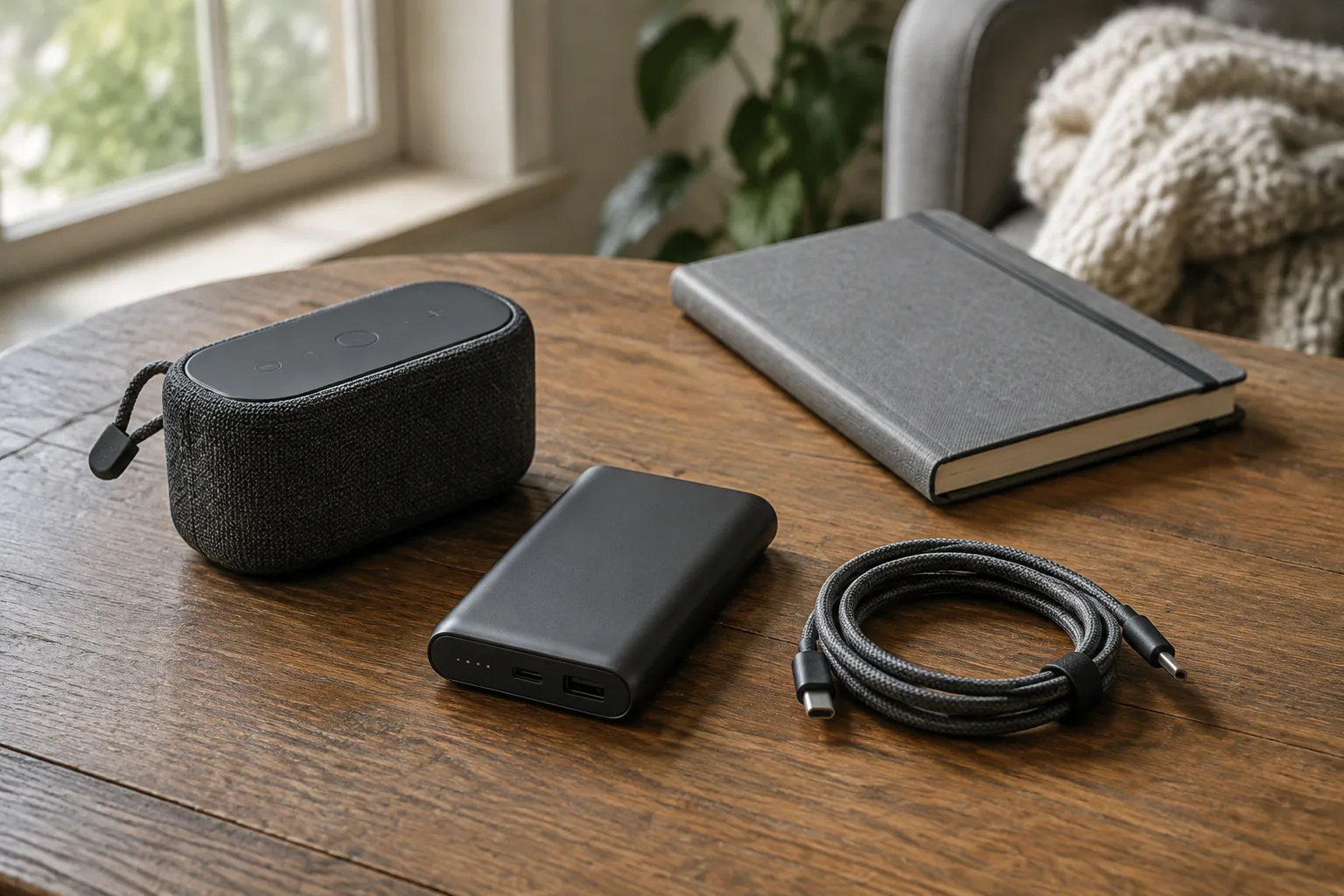
Compare Gadget Gifts by Routine, Compatibility & Complete-Kit Cost
Compare technology gifts by the recipient’s routine, device compatibility, physical fit, complete cost and return options.
Read buying guide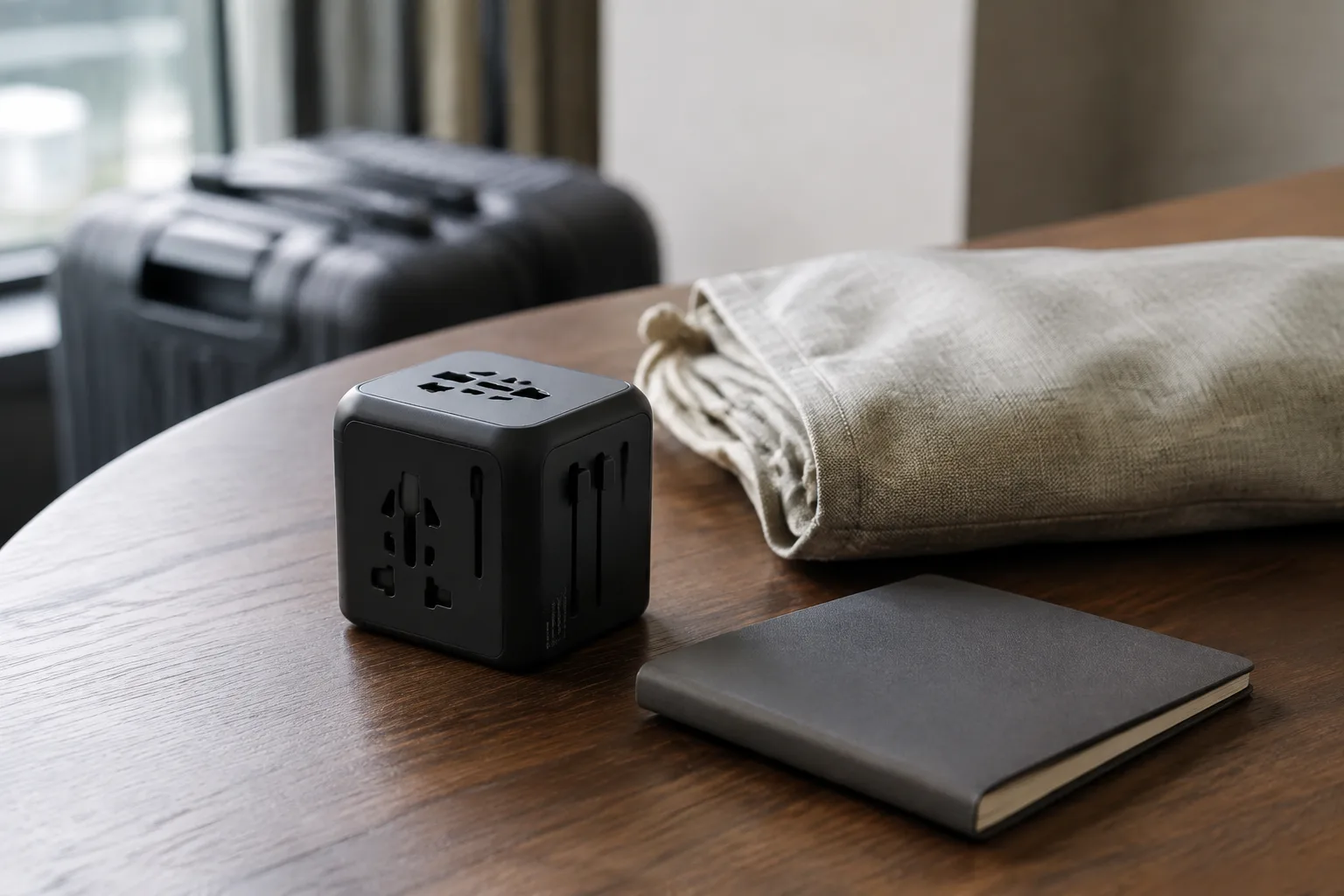
How to Choose a Travel Adapter as a Useful Gift
Choose a travel adapter by destination socket, appliance input label, earth connection, rated load and any required USB charging output.
Read buying guide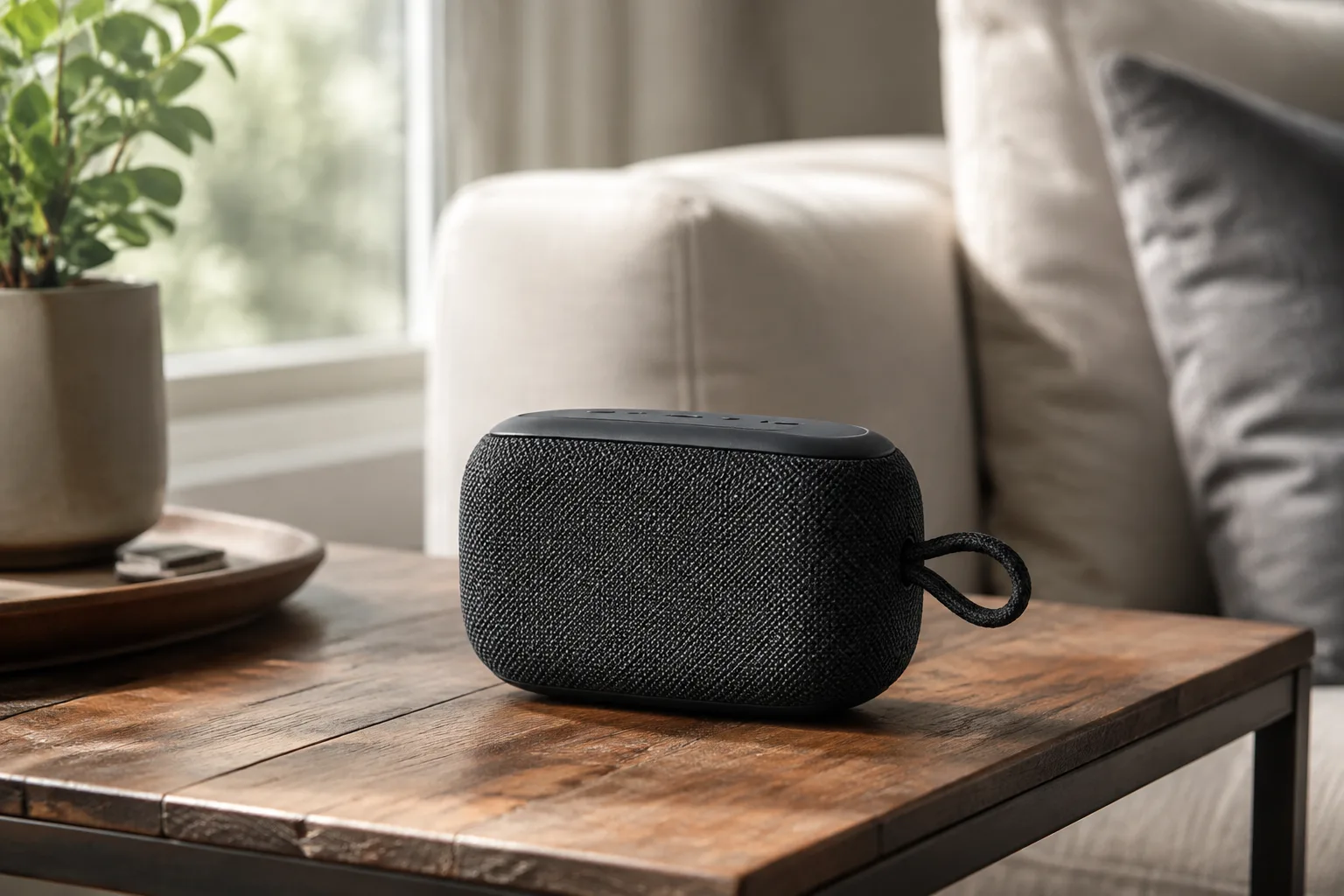
How to Pick a Portable Speaker as a Gift
Choose a portable speaker by listening space, controls, device connections, carrying shape, runtime conditions and water-care instructions.
Read buying guide